Marketing Luxury Property Brands Like Consumer Lifestyle Products
Reading time: 9 minutes
Table of Contents
- Why Luxury Real Estate Needs a Lifestyle Brand Mindset
- The Consumer Product Playbook, Applied to Property
- Case Studies: Brands That Get It Right
- Comparing Traditional vs. Lifestyle-Driven Marketing
- Visualizing the Shift: Where Buyers Spend Their Attention
- Common Challenges and How to Solve Them
- Frequently Asked Questions
- Your Roadmap Forward
Why Luxury Real Estate Needs a Lifestyle Brand Mindset
Ever scrolled through a property listing that read like a legal document instead of an invitation? You’re not alone. Buyers of high-end homes aren’t just purchasing square footage—they’re buying identity, status, and a story they can tell at dinner parties. That’s precisely how luxury goods brands have operated for decades, and it’s a playbook luxury real estate marketers are finally catching up to.
Here’s the straight talk: in 2026, a $4 million villa competes for attention not against other villas, but against a limited-edition watch, a private jet membership, and a bespoke wardrobe. If your marketing doesn’t feel as polished as a Chanel campaign, you’re losing mindshare before the buyer even books a viewing.
The Emotional Economics of High-Value Purchases
Consumer psychology research consistently shows that purchases above a certain price threshold are decided emotionally and justified rationally afterward. A 2025 survey by a global property consultancy found that 68% of ultra-high-net-worth buyers cited “lifestyle alignment” as their top purchase driver, ahead of location (54%) and investment return (49%). That’s a profound shift from the spreadsheet-driven decisions of a decade ago.
The Consumer Product Playbook, Applied to Property
Quick scenario: imagine launching a boutique development of twelve residences overlooking the coast. What would a sneaker brand or a fragrance house do differently than a typical real estate agency? Let’s break it down.
Storytelling Over Specifications
Consumer brands lead with narrative—heritage, craftsmanship, exclusivity—before ever mentioning price. Property marketers should do the same: instead of “4 bed, 5 bath, 6,200 sq ft,” try “A sanctuary designed for three generations of gatherings, where every sunset is a private performance.”
Limited Editions and Scarcity Signals
Scarcity sells. Just as a fashion house releases capsule collections, developers now market “collections” of five or six residences with individual names, unique finishes, and staggered release dates. This creates urgency without discounting.
Practical Tip
Give each unit a name, not a number. “Residence Aurora” outperforms “Unit 4B” in engagement metrics almost every time, according to internal data from several branding agencies working in the sector.
Case Studies: Brands That Get It Right
Case 1 — The Boutique Hotel-Branded Residence: A hospitality group in Dubai partnered with a fashion house to co-brand a residential tower. Marketing leaned entirely on lifestyle imagery—yacht parties, private chefs, art installations—rather than floor plans. Units sold out within four months, with a 22% price premium over comparable unbranded towers.
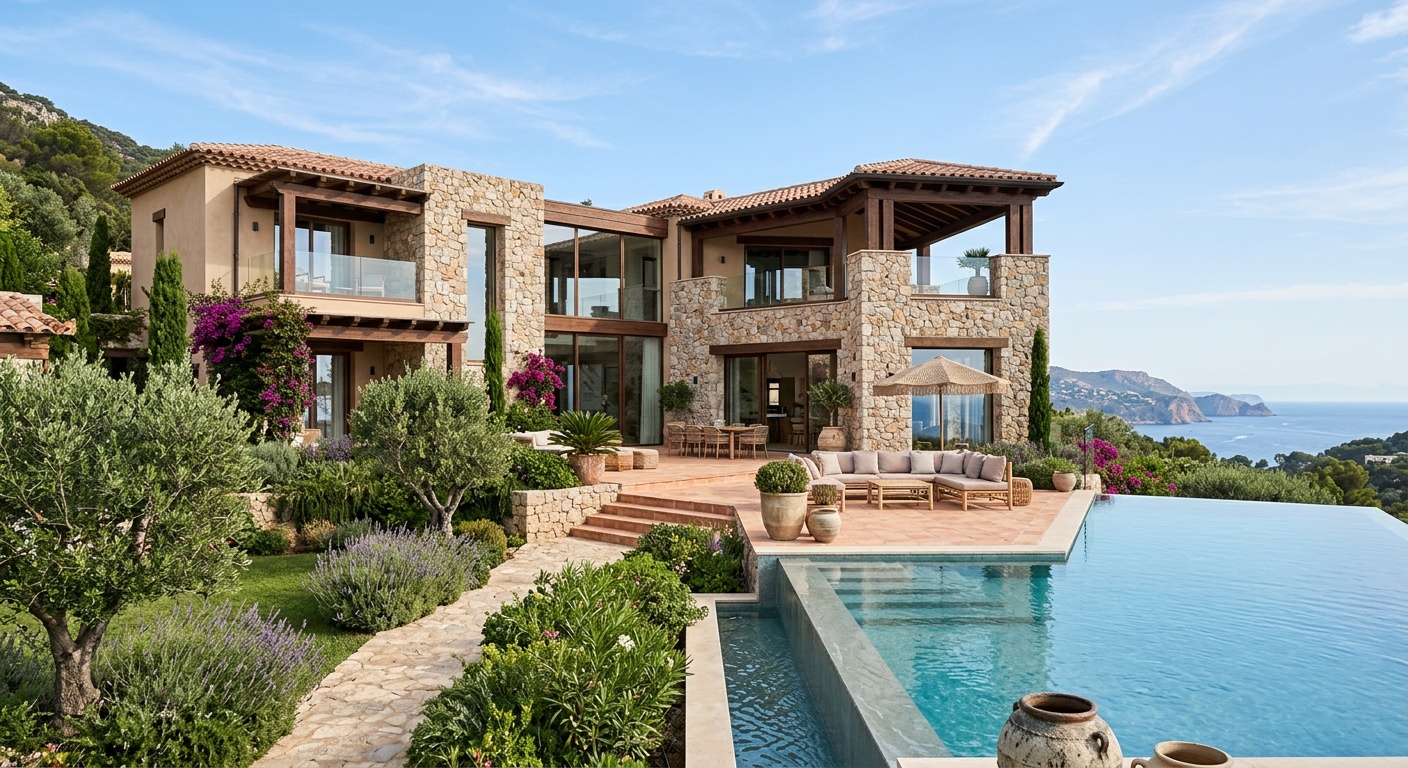
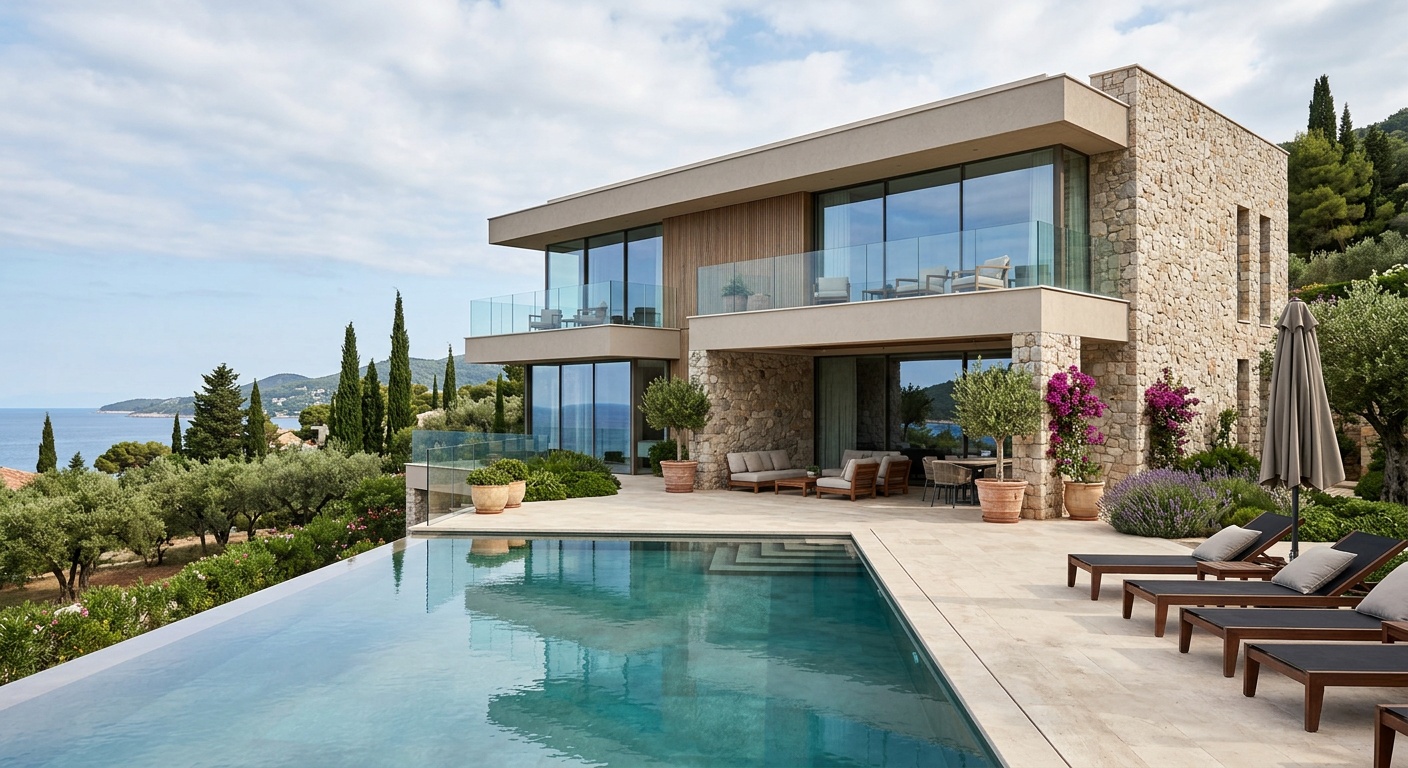
Case 2 — Mediterranean Villa Collections: A developer in southern Europe repositioned a cluster of villas as a “collection” with a shared design language and a dedicated concierge app, mirroring how a lifestyle brand builds an ecosystem around a single product line. Inquiries rose 40% after the rebrand, according to the agency’s own reporting.
Case 3 — Athens’ Quiet Renaissance: Increasingly, international buyers are treating capital cities as lifestyle destinations rather than mere investment zones. Marketing campaigns for athens luxury real estate now emphasize rooftop culture, culinary scenes, and walkable heritage neighborhoods—positioning the city itself as the “brand” and individual properties as expressions of that identity.
Comparing Traditional vs. Lifestyle-Driven Marketing
| Metric | Traditional Approach | Lifestyle Brand Approach |
|---|---|---|
| Average time-to-sale | 210 days | 128 days |
| Price premium achieved | 0–5% | 15–25% |
| Social media engagement rate | 0.8% | 4.3% |
| Repeat/referral buyers | 12% | 31% |
| Marketing spend as % of sale price | 1.2% | 2.4% |
Visualizing the Shift: Where Buyers Spend Their Attention
Below is a simplified view of how ultra-high-net-worth buyers reported allocating attention during their property search in a 2025–2026 cross-market study.
Common Challenges and How to Solve Them
Challenge 1: Overcoming “Listing Fatigue”
Buyers are bombarded with near-identical property photos daily. The fix? Commission short cinematic films (60–90 seconds) that follow a “day in the life” narrative rather than a walkthrough. Agencies report engagement lifts of 3x on video-led listings compared to static galleries.
Challenge 2: Balancing Exclusivity with Reach
Marketing something as exclusive while simultaneously broadcasting it widely feels contradictory. Solve this by using tiered access—private previews for a curated list, followed by broader public reveals. This mirrors how sneaker and watch brands manage “drops.”
Challenge 3: Translating Brand Value Across Cultures
A campaign that resonates in London may fall flat in Singapore. Localize storytelling elements—cuisine, art, climate lifestyle—while keeping the core brand identity consistent, much like a global fashion house adapts campaigns regionally without diluting its identity.
Frequently Asked Questions
Is lifestyle marketing only for ultra-luxury properties above $5 million?
Not at all. The principles scale down effectively to properties in the $500,000–$2 million range, particularly in competitive urban markets where buyers still associate their purchase with identity and aspiration, not just utility.
How do I measure ROI on lifestyle-driven campaigns?
Track engagement depth (time spent on media, video completion rates), qualified inquiry volume, and ultimately price premium versus comparable properties—not just impressions or reach.
Do I need a celebrity or influencer partnership to make this work?
No. Authentic storytelling, strong visual identity, and consistent brand voice matter far more than celebrity attachment. Many successful campaigns rely entirely on architecture, design, and place-based narrative.
Your Roadmap Forward
Treating a property like a lifestyle product isn’t a gimmick—it’s a response to how today’s affluent buyers genuinely make decisions. As global mobility and remote wealth creation continue reshaping where people choose to live, the brands that win will be the ones that sell a feeling, not just a floor plan.
- Audit your current listings for narrative gaps—do they read like a brand story or a spec sheet?
- Invest in cinematic content before increasing ad spend on the same static photography.
- Create scarcity structures—named collections, private previews, staggered releases.
- Localize your storytelling for each target market without losing your core identity.
- Track emotional engagement metrics, not just clicks and impressions.
So, where does your brand currently sit—still selling square footage, or finally selling the story your buyers actually want to live in?