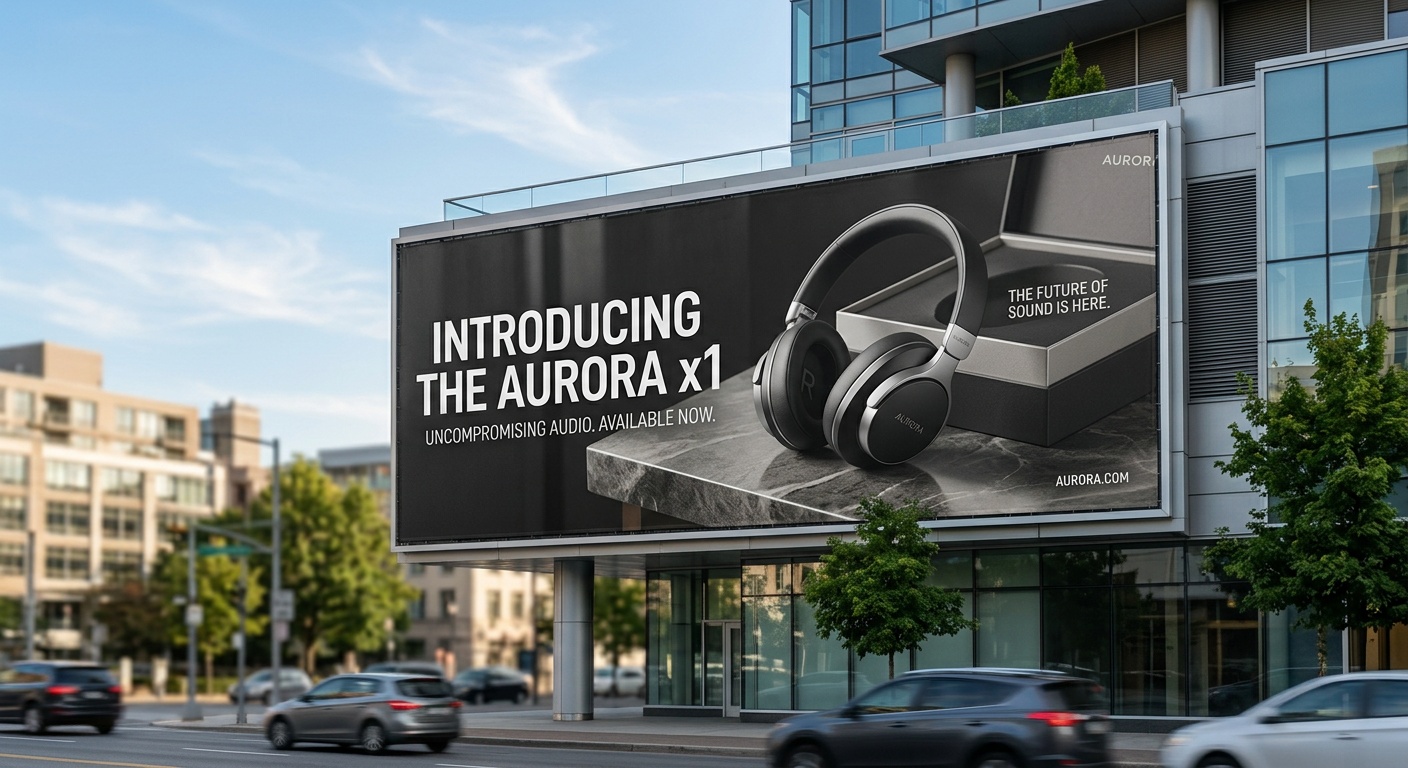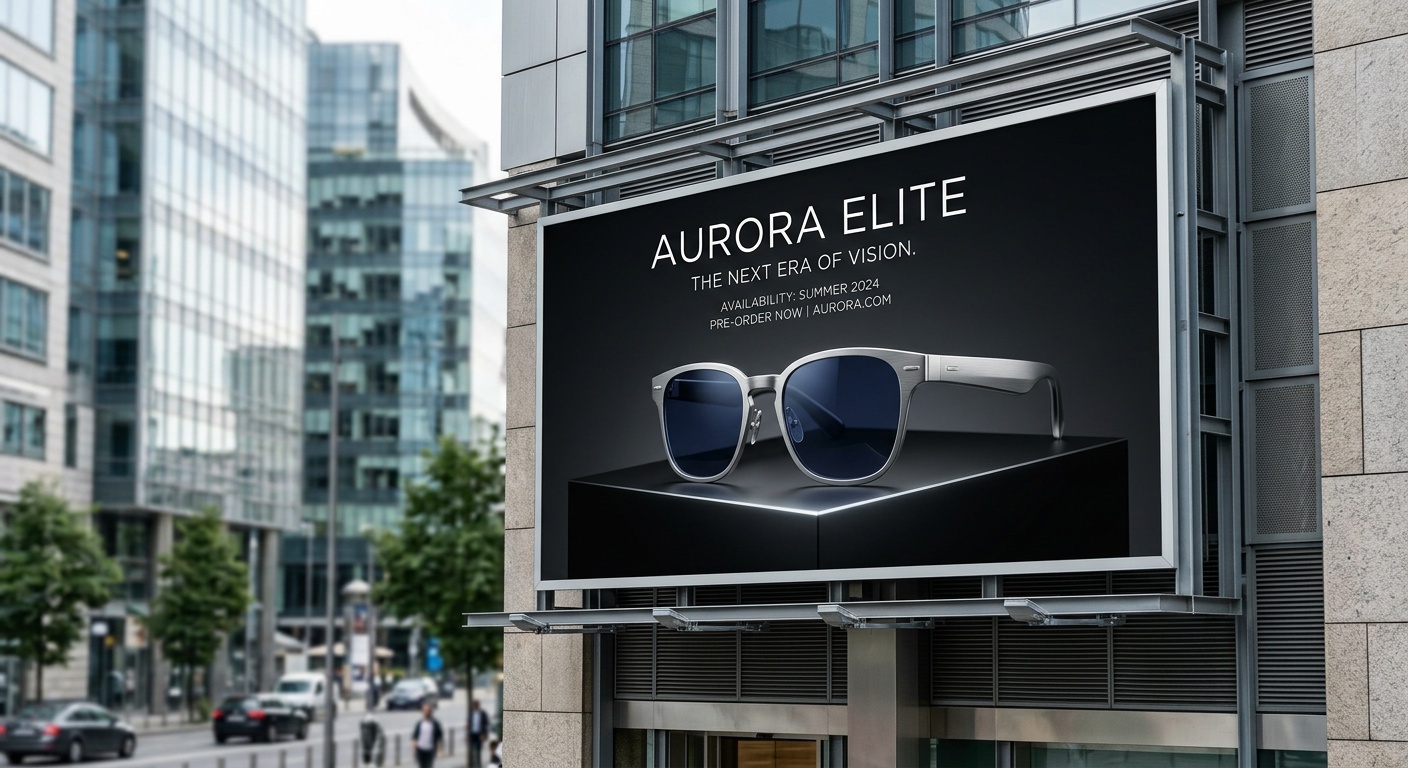
How Big Marketing Agencies Approach Brand Launches for Consumer Products
Reading time: 14 minutes
Ever watched a product go from unknown to unavoidable in what feels like overnight? One week you’ve never heard of it—the next, it’s on every influencer’s shelf, trending on social media, and stocked prominently at eye level in every major retailer. That’s not coincidence. That’s a big marketing agency doing exactly what it’s built to do.
Behind every memorable consumer product launch is a meticulously engineered strategy—one that blends data science, creative storytelling, media buying muscle, and cultural intuition. If you’re a brand founder, a marketing director, or simply someone fascinated by how consumer culture gets shaped, understanding how top agencies orchestrate these launches is invaluable.
Let’s pull back the curtain.
Table of Contents
- Phase 1: Discovery and Strategic Foundation
- Phase 2: Creative Development and Brand Identity
- Phase 3: The Launch Ecosystem—Media, Channels, and Timing
- Phase 4: Influencer and Culture Seeding
- Agency vs. In-House: What the Numbers Say
- Case Studies: Launches That Defined the Playbook
- 3 Common Launch Challenges (and How Agencies Solve Them)
- Launch Budget Allocation: Where the Money Goes
- FAQs
- Your Brand Launch Playbook: Next Steps
Phase 1: Discovery and Strategic Foundation
Before a single piece of creative is touched, the world’s top agencies spend weeks—sometimes months—in what they call the discovery phase. This isn’t fluff. It’s the strategic bedrock that every downstream decision rests on.
The Deep Dive: Research That Actually Informs Strategy
Large agencies like WPP’s Ogilvy, Publicis Groupe, and Interpublic’s McCann invest heavily in proprietary research infrastructure. In 2026, this means combining traditional qualitative research with AI-powered cultural listening tools that scan billions of social and search data points to identify emerging consumer tensions—needs the market hasn’t yet addressed.
A typical discovery phase includes:
- Consumer segmentation analysis — going beyond demographics to psychographic and behavioral profiling
- Competitive landscape mapping — understanding not just direct competitors but adjacent categories that compete for the same consumer attention
- Cultural tension identification — finding the emotional or social friction points the product can credibly resolve
- Retailer and channel interviews — particularly critical for CPG (consumer packaged goods) launches where shelf placement and retail partnerships determine initial velocity
According to a 2025 Nielsen IQ report, products that launch with deep pre-market consumer insight are 2.3 times more likely to exceed first-year sales targets than those built primarily on internal assumptions. That statistic lives and breathes in every discovery meeting at a major agency.
Positioning: The Single Most Important Strategic Decision
Here’s the straight talk: positioning is not a tagline. It’s a strategic declaration of who the product is for, what it does differently, and why that matters in the current cultural moment.
Major agencies typically deploy a positioning framework that answers five core questions:
- Who is the primary target consumer—really, not aspirationally?
- What category are we actually competing in?
- What is the singular benefit that is both true and differentiating?
- What proof points support that benefit claim?
- What is the emotional territory the brand wants to own?
This framework gets stress-tested through consumer validation workshops, ensuring the positioning resonates before a dollar of production budget is spent.
Phase 2: Creative Development and Brand Identity
With a validated strategic foundation in place, agencies move into the creative development phase—arguably the most visible part of the process, but far from the most important.
In 2026, brand identity work for a major consumer product launch typically encompasses:
- Visual identity system (logo, typography, color palette, photography style)
- Brand voice and tone guidelines across every consumer touchpoint
- Packaging design (increasingly critical in an era where the unboxing moment is a social media event)
- Campaign platform development—the overarching creative idea that lives across all channels
- Content library creation, including short-form video, static social assets, digital display, and OOH (out-of-home)
Pro Tip: The best agencies don’t just build creative assets—they build creative systems. That means a set of visual and tonal rules flexible enough to adapt across TikTok, Amazon product pages, in-store displays, and a national TV spot, while still feeling unmistakably like the same brand.
Interpublic’s creative agency FCB coined a useful phrase for this approach: “Brave creative in a consistent container.” The container (brand system) keeps everything coherent; the brave creative makes consumers actually stop and pay attention.
Phase 3: The Launch Ecosystem—Media, Channels, and Timing
This is where the big agencies’ scale and buying power become decisive advantages. A well-funded consumer product launch in 2026 is not a single channel event—it’s a carefully sequenced launch ecosystem designed to create the impression of ubiquity.
The Channel Architecture
Leading agencies typically organize a launch across three distinct channel tiers:
Tier 1 – Earned and Organic Seeding (Weeks -8 to -4 before launch)
This includes targeted outreach to cultural tastemakers, media editors, and micro-influencers. The goal isn’t scale—it’s credibility. When the product officially launches, there’s already an authentic whisper network primed.
Tier 2 – Owned Channel Activation (Weeks -4 to Launch Day)
Brand website goes live, social channels activate with teaser content, email lists are warmed up with pre-launch sequences. Retailers are briefed. In-store materials arrive. The brand’s own infrastructure is ready to catch the traffic that’s about to arrive.
Tier 3 – Paid Media Amplification (Launch Day and beyond)
This is the full paid media push: programmatic digital display, connected TV, paid social (Meta, TikTok, YouTube), search, and often a tentpole PR moment designed to generate earned media coverage. The sequencing matters enormously—paid media amplifies momentum, not inertia.
Timing Intelligence: Why Launch Date Is a Strategic Decision
Top agencies employ dedicated timing strategists who analyze cultural calendars, competitive launch windows, and retailer promotional cycles. A beverage brand, for instance, would never launch in January when consumer attention is fragmented and retail is recovering from holiday. A fitness product, however, might find January to be an ideal window, riding the annual wave of resolution-driven consumer intent.
In 2026, agencies also factor in the algorithmic timing of social platforms—understanding how TikTok’s discovery algorithm, Instagram’s Explore page, and YouTube’s recommendation engine favor consistent posting cadence over burst activity.
Phase 4: Influencer and Culture Seeding
A decade ago, agencies could launch a product with a few celebrity endorsements and a national TV buy. In 2026, the influencer landscape has matured into something far more nuanced—and agencies that understand this nuance drive dramatically better outcomes.
According to Influencer Marketing Hub’s 2026 State of Influencer Marketing Report, micro-influencers (10,000–100,000 followers) generate 3.5 times higher engagement rates than macro-influencers for consumer product categories. Yet many brands still over-index on celebrity partnerships because they’re easier to justify in a board presentation.
Smart agencies build what they call an influencer ecosystem—a pyramid structure that includes:
- Hero partners (1–2 high-profile ambassadors for awareness and credibility)
- Mid-tier influencers (5–15 creators with highly relevant engaged audiences)
- Micro-community seeding (50–200 nano-influencers and community advocates for authentic grassroots momentum)
The critical insight most brands miss: authenticity can’t be manufactured, but it can be facilitated. The best agencies give influencers genuine creative latitude rather than scripted talking points. The result is content that feels organic and converts better as a result.
Agency vs. In-House: What the Numbers Say
| Metric | Big Agency Launch | In-House Launch | Advantage |
|---|---|---|---|
| Average Launch Timeline | 4–6 months | 7–12 months | Agency |
| First-Year Brand Awareness (avg.) | 34% target audience | 18% target audience | Agency |
| Media Cost Efficiency | 15–25% bulk rate savings | Standard rate card | Agency |
| Brand Voice Consistency | High (dedicated team) | Variable (team turnover risk) | Agency |
| Product Category Knowledge | Broad cross-category | Deep single-category | In-House |
Sources: Nielsen IQ 2025, Association of National Advertisers 2026 Report, Forrester Research 2025.
Case Studies: Launches That Defined the Playbook
Case Study 1: Stanley’s Sustained Cultural Relevance Strategy
While Stanley’s initial viral moment came organically, their agency-led follow-up strategy in 2024–2025 became a textbook example of how to convert a cultural moment into lasting brand equity. Working with their agency partners, Stanley deployed a deliberate limited-edition release cadence—a tactic borrowed from luxury fashion—to maintain sustained cultural conversation without requiring massive paid media investment.
The lesson agencies took from this? Scarcity is a brand builder. Limited colorways, retailer-exclusive collections, and collaboration drops generate earned media and social conversation that no paid campaign budget can replicate. By 2026, dozens of CPG brands have incorporated this mechanic into their launch architecture.
Case Study 2: A Premium Water Brand’s Sensory-First Launch
In early 2025, a premium functional water brand worked with a Publicis Groupe agency team to execute a launch built entirely around sensory experience rather than product claims. Rather than leading with functional benefits—electrolytes, pH balance, added minerals—the campaign led with ritual. The message wasn’t “this water is better for you.” It was “this is how mindful people start their mornings.”
The agency’s insight: in a category defined by commoditization, the fastest path to premium pricing power is emotional differentiation. The campaign drove an average retail price 40% above category average while achieving distribution in 12,000 premium grocery locations within the first six months. This was achieved through a combination of a highly targeted micro-influencer seeding program, strategic OOH in high-income urban neighborhoods, and a retail environment design that made the product feel out of place on an ordinary grocery shelf—in the best possible way.
3 Common Launch Challenges (and How Agencies Solve Them)
Challenge 1: Launching in a Crowded Category
Perhaps the most frequent challenge agencies face is helping a client enter a market where the shelves are already full and consumer attention is already committed. The temptation is to lead with product superiority claims—”better ingredients,” “superior formula,” “cleaner label.” The problem? Every competitor says the same thing.
The Agency Solution: Redefine the category. Rather than competing on existing terms, smart agencies help brands create a new subcategory or shift the competitive frame entirely. A new protein bar doesn’t compete with other protein bars—it competes with “the 3pm energy crash you’ve been accepting for years.” This reframing gives the brand white space to own, and makes competitive comparisons harder for consumers to make.
Challenge 2: Managing Retailer Expectations vs. Consumer Launch Sequencing
Here’s a tension that brands rarely anticipate: retailers want product on shelf before the marketing begins (to avoid stocking something consumers can’t yet find), while consumers build the most authentic organic momentum before broad distribution exists (creating scarcity-driven desire). These two timelines are fundamentally at odds.
The Agency Solution: Build a two-speed launch. A limited geography or channel (direct-to-consumer online, specialty retail) activates first, building organic credibility and press coverage. Broad retail distribution follows 8–12 weeks later, riding the wave of pre-built consumer demand. This sequencing also gives the brand valuable real-world consumer feedback before scaling—potentially saving millions in wasted inventory or messaging that doesn’t resonate.
Challenge 3: Maintaining Momentum Beyond Launch Week
Many brands exhaust their launch energy—and budget—in the first 30 days. Agencies call this the “launch cliff”: a spike of attention followed by a steep decline when the paid media turns off and the earned media cycle moves on. For a consumer product, especially one that requires habit formation or repeat purchase, this is potentially fatal.
The Agency Solution: Design a 90-day narrative arc before launch day arrives. Week 1 is about introduction. Weeks 2–4 introduce a secondary message (perhaps a use case or user type that broadens appeal). Month 2 introduces social proof through user-generated content. Month 3 introduces a “new chapter” story—a new flavor, a charitable partnership, a limited edition—that re-ignites media conversation. The brand never feels stale because the story keeps evolving.
Launch Budget Allocation: Where the Money Goes
Based on aggregated data from Forrester Research and the ANA’s 2026 benchmarking study, here’s how major agencies typically recommend allocating a consumer product launch budget:
Consumer Product Launch Budget Allocation (2026 Average)
Note: Allocations vary significantly by category, target consumer, and geographic scope. DTC-heavy brands typically invest 10–15% more in paid digital at the expense of traditional media and PR.
Frequently Asked Questions
How long does a major agency-led consumer product launch typically take from kickoff to launch day?
For a mid-to-large scale consumer product launch, most major agencies require a minimum of 16–24 weeks from strategic kickoff to public launch. This timeline covers discovery and positioning (4–6 weeks), creative development and production (6–8 weeks), and pre-launch seeding and channel preparation (4–6 weeks). Compressed timelines are possible but typically result in reduced creative quality, less thorough consumer validation, and weaker influencer relationships—all of which measurably impact launch performance. Brands that try to rush this process into 8 weeks frequently find themselves back at square one six months post-launch.
What is the typical cost range for a full-service agency-led product launch in 2026?
Agency fees and production costs for a comprehensive consumer product launch at a major agency typically range from $800,000 to $3.5 million, not including paid media spend. Paid media budgets vary enormously—a regional launch might add $500,000 to $2 million in media spending, while a national launch for a mass-market product could require $10 million or more. Boutique agencies and specialized launch shops can deliver quality work in the $250,000–$600,000 range for brands with more modest distribution goals. The key question to ask isn’t “how much does it cost?” but rather “what does success look like in year one, and what investment level makes that achievable?”
Can smaller brands replicate big-agency launch strategies without the budget?
Absolutely—and many do. The strategic principles that drive big-agency success (clear positioning, sequenced channel activation, influencer ecosystem building, 90-day narrative arcs) are not budget-dependent. What budget buys is speed and scale. A well-funded agency launch achieves in 6 months what a scrappy founder-led launch might achieve in 18. The practical implication for smaller brands: prioritize depth over breadth. Own one channel completely rather than spreading thin across five. Seed authentically with 20–30 highly aligned micro-influencers rather than spray-and-pray with hundreds. Build the brand story with the same rigor a big agency would—it just takes longer when you’re doing it yourself.
Your Brand Launch Playbook: Next Steps
We’ve traveled through the entire agency launch architecture—from the quiet intensity of the discovery phase to the orchestrated chaos of launch week and the deliberate momentum-building that follows. Here’s what it all distills to, whether you’re working with a major agency or building your own launch engine:
- Start with positioning, not creative. The most spectacular campaign built on a weak strategic foundation will underperform a simple campaign built on a sharp, validated insight. Do the positioning work first, always.
- Sequence your channels deliberately. Earned and organic credibility before paid amplification. Depth before breadth. Cultural seeding before mass awareness. The order matters as much as the tactics themselves.
- Design for post-launch momentum. Write your 90-day narrative arc before launch day. Know exactly what story you’re telling in month two and month three before the product even hits shelves.
- Build an influencer ecosystem, not a single partnership. Diversify across tiers. Give creators genuine latitude. Prioritize relevance over reach.
- Measure what matters early. In 2026, the ability to read early signals—social sentiment, repeat purchase rate, earned media quality, retailer sell-through velocity—and adjust in near-real-time is a decisive competitive advantage. Build your measurement framework before launch, not after.
The broader truth here is that the consumer landscape is only getting more fragmented, more attention-scarce, and more skeptical of brand messaging. The brands that break through in 2026 and beyond won’t simply be louder—they’ll be smarter, more strategically disciplined, and more deeply connected to what their consumers actually feel and value.
So here’s the question worth sitting with: Does your brand have a launch plan—or a launch strategy? There’s a meaningful difference, and that difference is exactly where great marketing agencies earn their fees.